A Living Ark: The Wildlife Gamble on Necker Island
Richard Branson's private island doubles as an ark, reintroduced flamingos, Aldabra giant tortoises, an iguana bred as insurance against extinction, and the free-ranging lemurs that split the conservation world. It is also a clean-energy and ocean-protection testbed. The wildlife ambition is real; so are the hard questions about it.
An island as an ark
It is easy to file Necker Island under celebrity real estate and move on. Richard Branson bought the 74-acre speck in the British Virgin Islands as a young man for a famously small sum, built a resort on it, and made it a byword for luxury. That is the part everyone knows, and it is the least interesting thing about the place.
The interesting thing is what lives there. Over four decades Necker has been quietly stocked, on purpose, with animals losing their homes elsewhere, flamingos hunted out of these islands and brought back, giant tortoises, an iguana all but gone from the wild, and, most controversially, lemurs flown in from Madagascar. By the island's own count it now hosts more than 140 animal species, a large share of them threatened. It is not a zoo. It is closer to an ark: a privately funded refuge built on the belief that land and money, pointed at a problem, can buy a species a little more time. That ark sits on top of a second project, a clean-energy, fresh-water, ocean-protection experiment that keeps the whole thing running. But the animals are the heart of it, and the animals are where the optimism meets its hardest questions.
A living ark
Necker's conservation story is most literal on land. Caribbean flamingos, a species once native to these islands, hunted out, then deliberately reintroduced, wade the salt ponds; four birds arrived in 2006 and the flock now numbers in the hundreds. Aldabra giant tortoises graze the lawns. Scarlet and white ibis stalk the flats. Rock iguanas, including the critically endangered Anegada iguana that is all but gone from the wild, are bred here as insurance against the day the wild population blinks out.
By the island's own count it hosts more than 140 animal species, a large share of them threatened in the wild. That is a genuinely unusual thing for a private island to be, not a menagerie for guests, but a working refuge, stocked on purpose with animals that are losing ground everywhere else. It is the most concrete expression of the idea that a fortune, aimed carefully, can hold a line against extinction.
Then there are the lemurs, and the lemurs are where the whole project meets its critics.
The bet that split the scientists
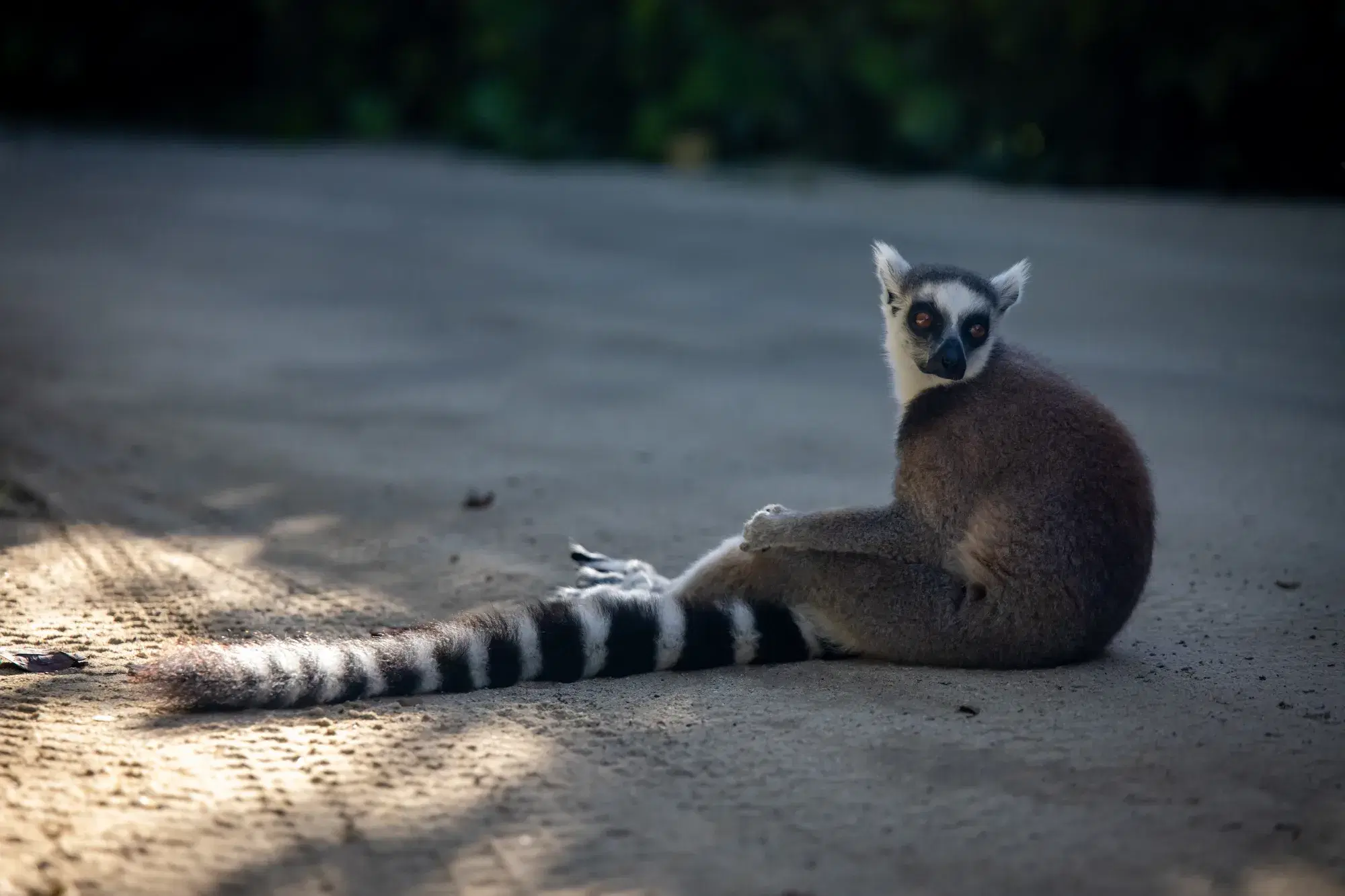
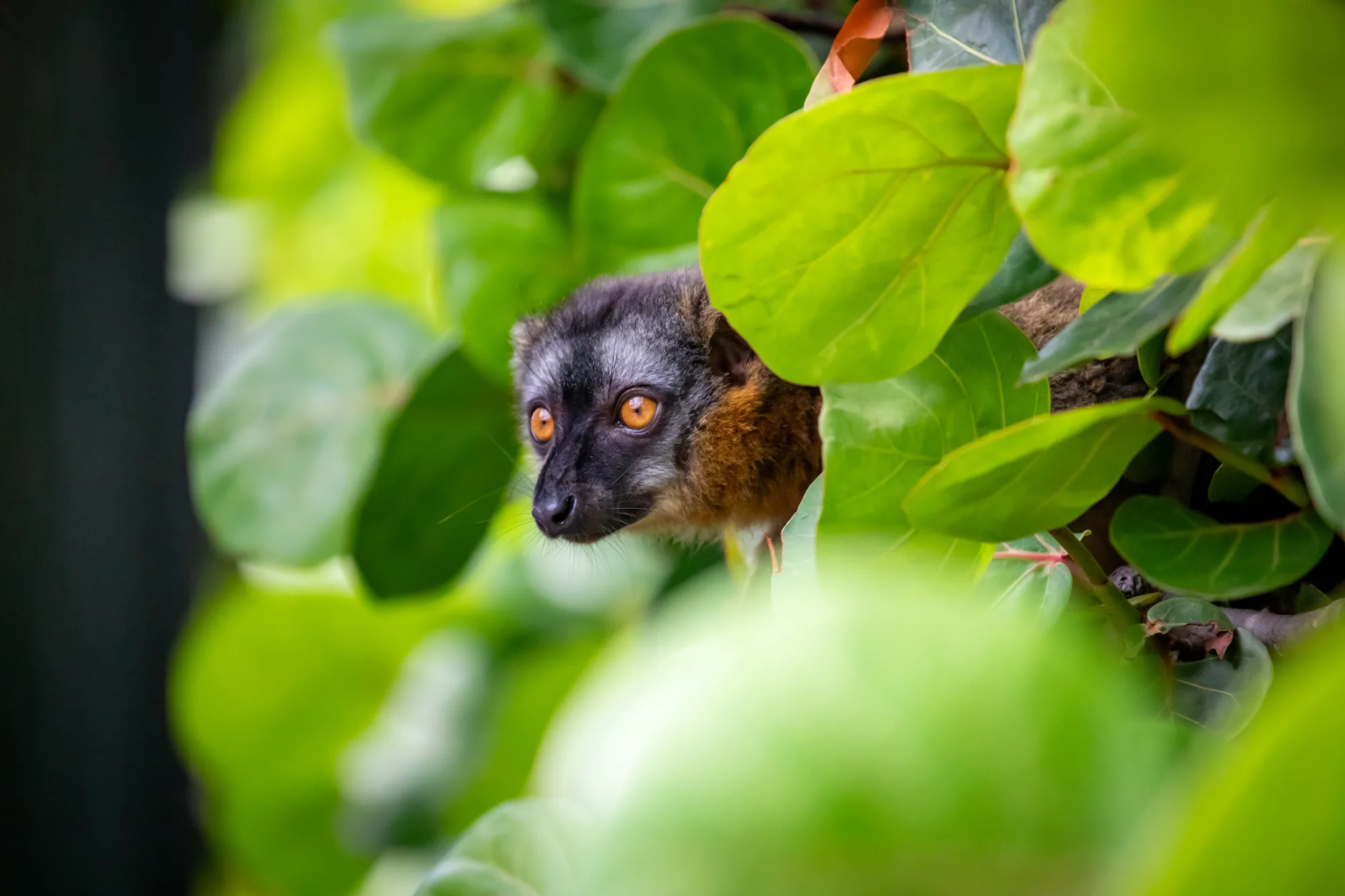
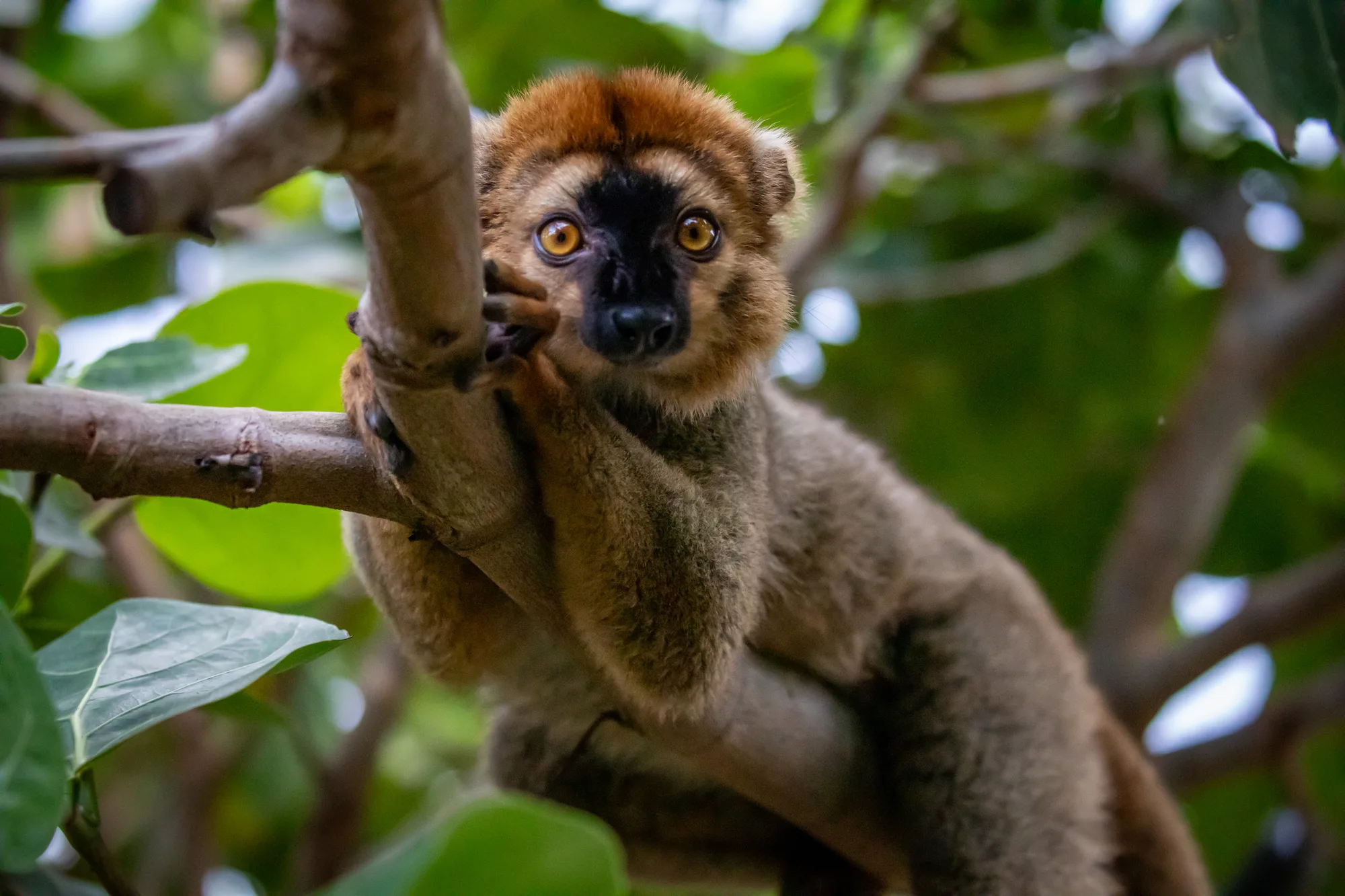
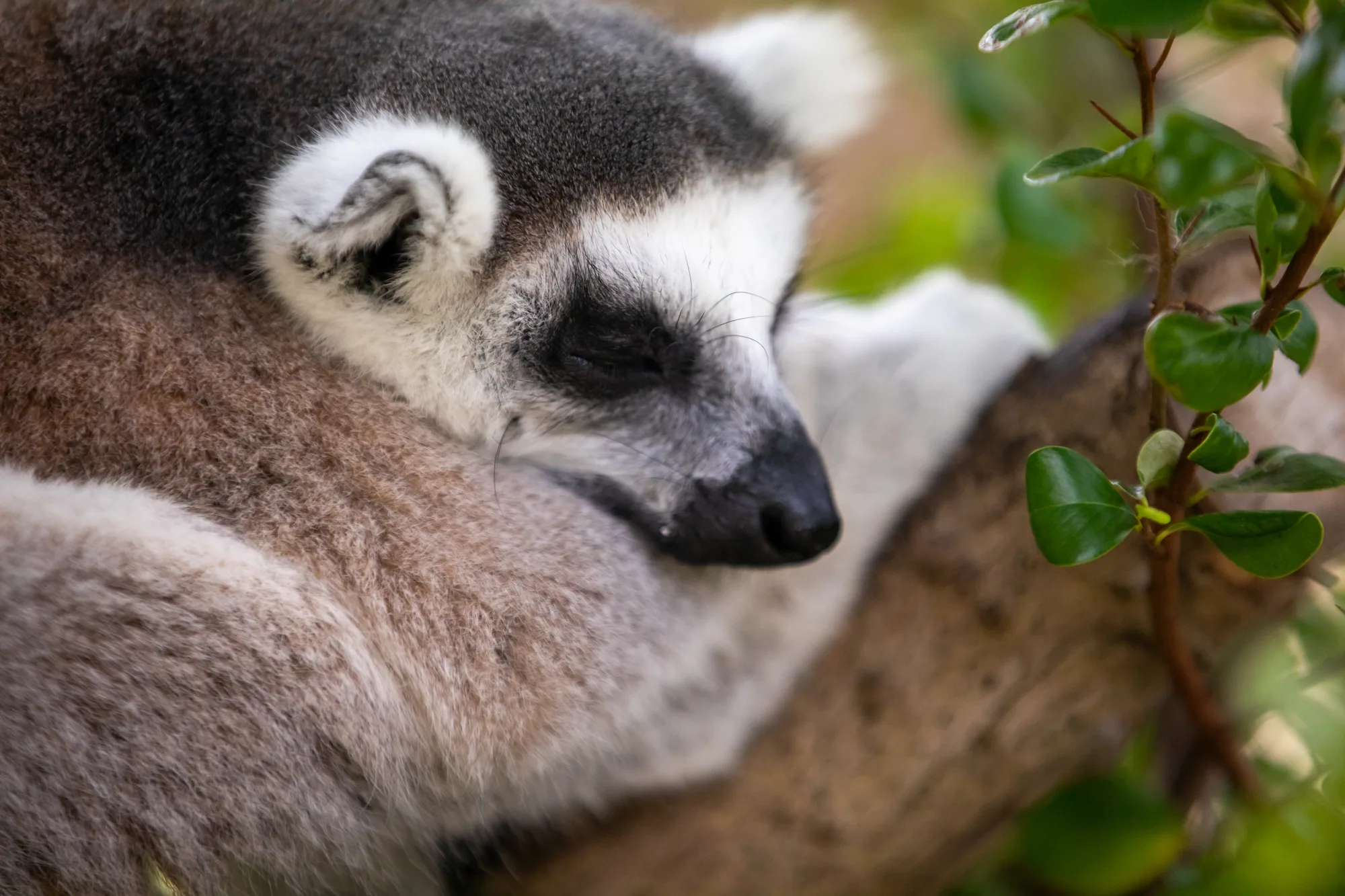
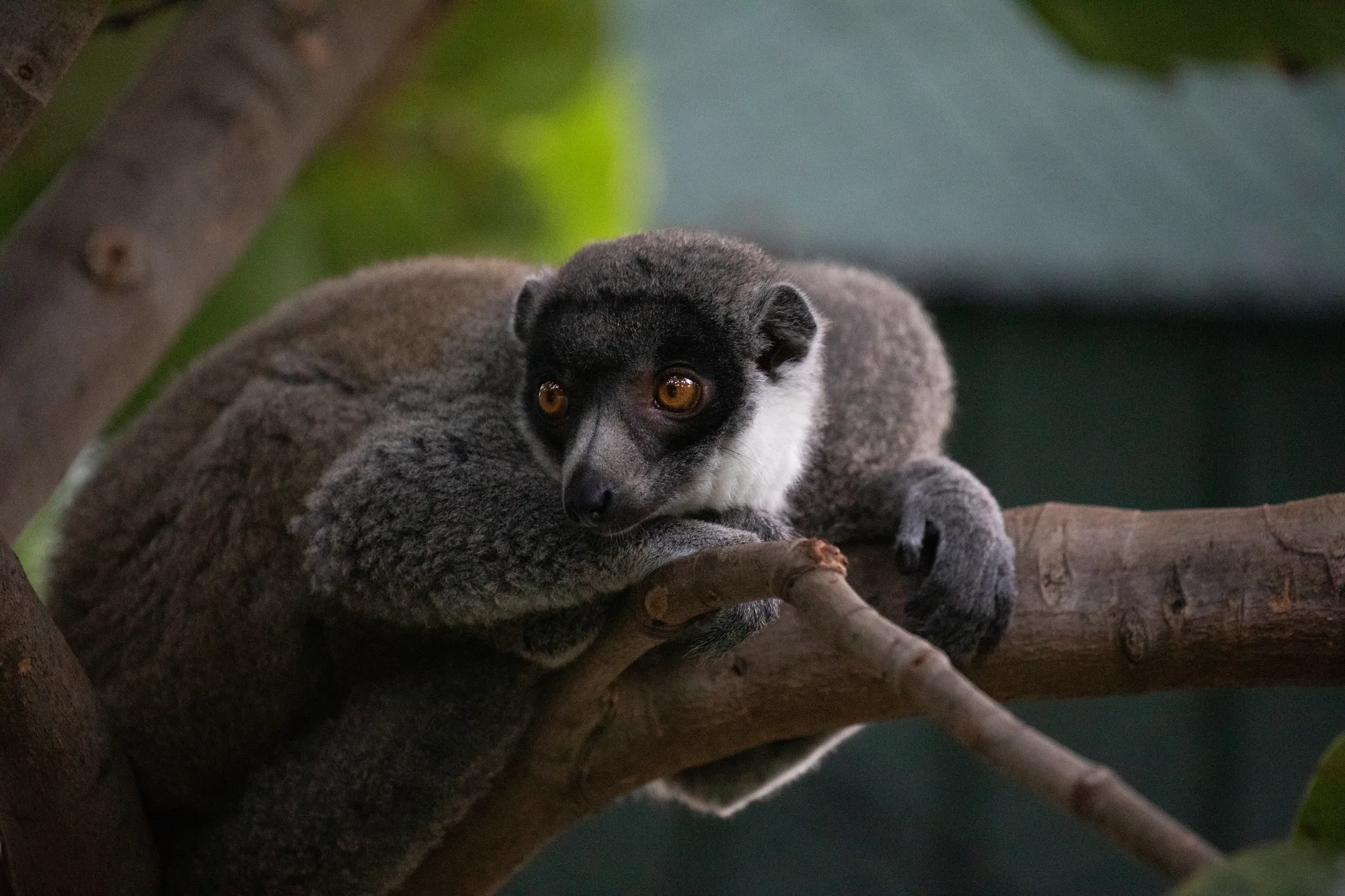
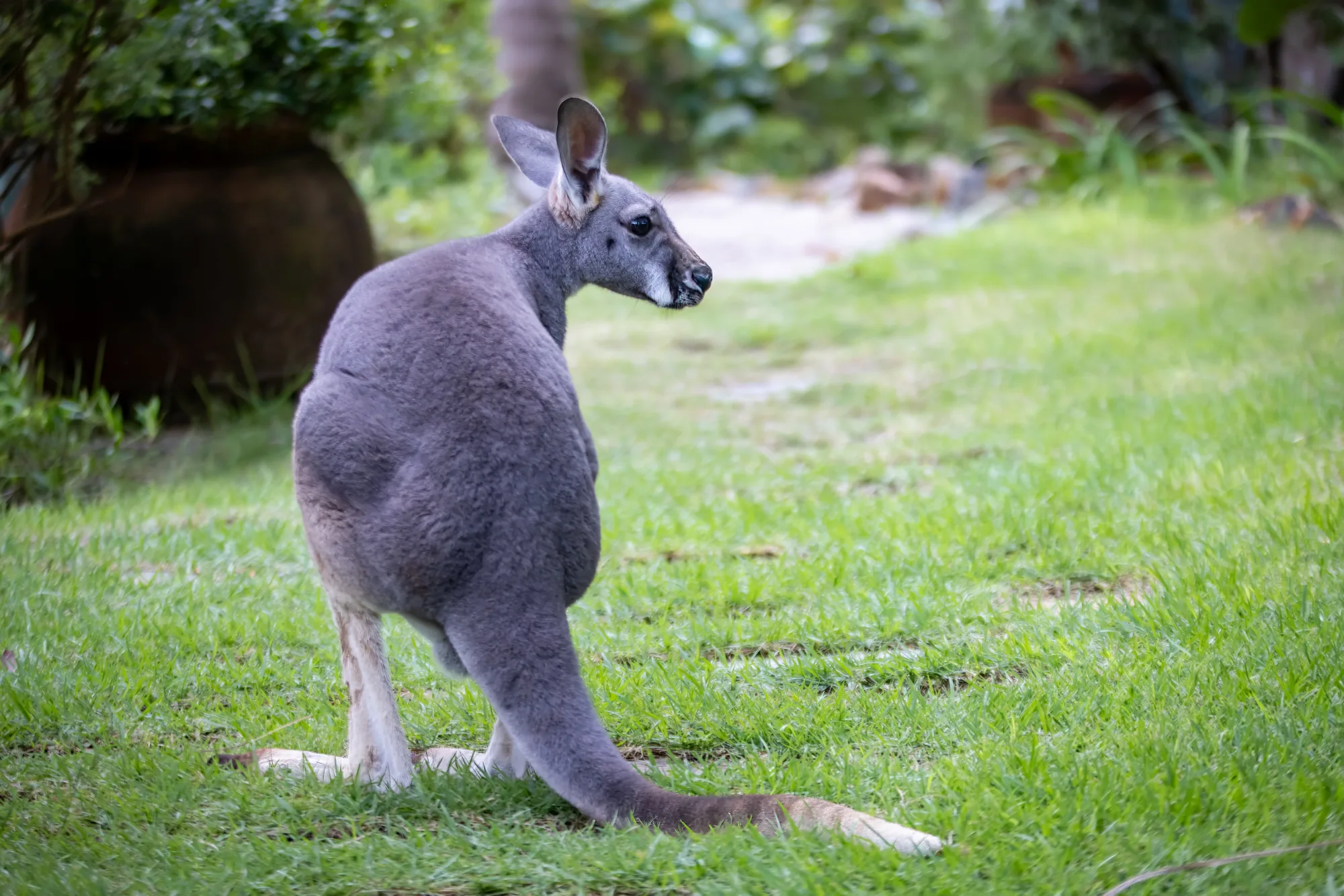
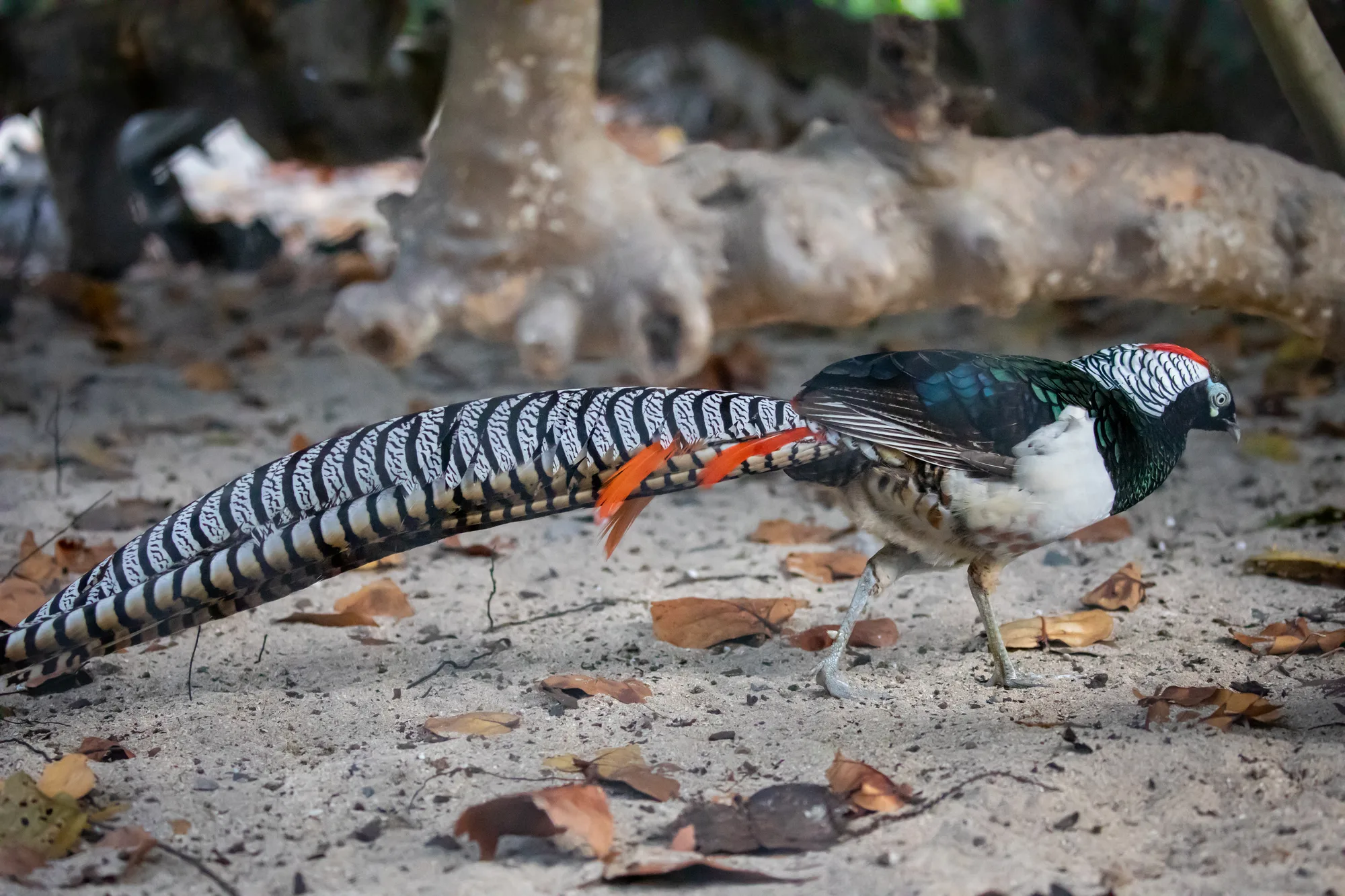
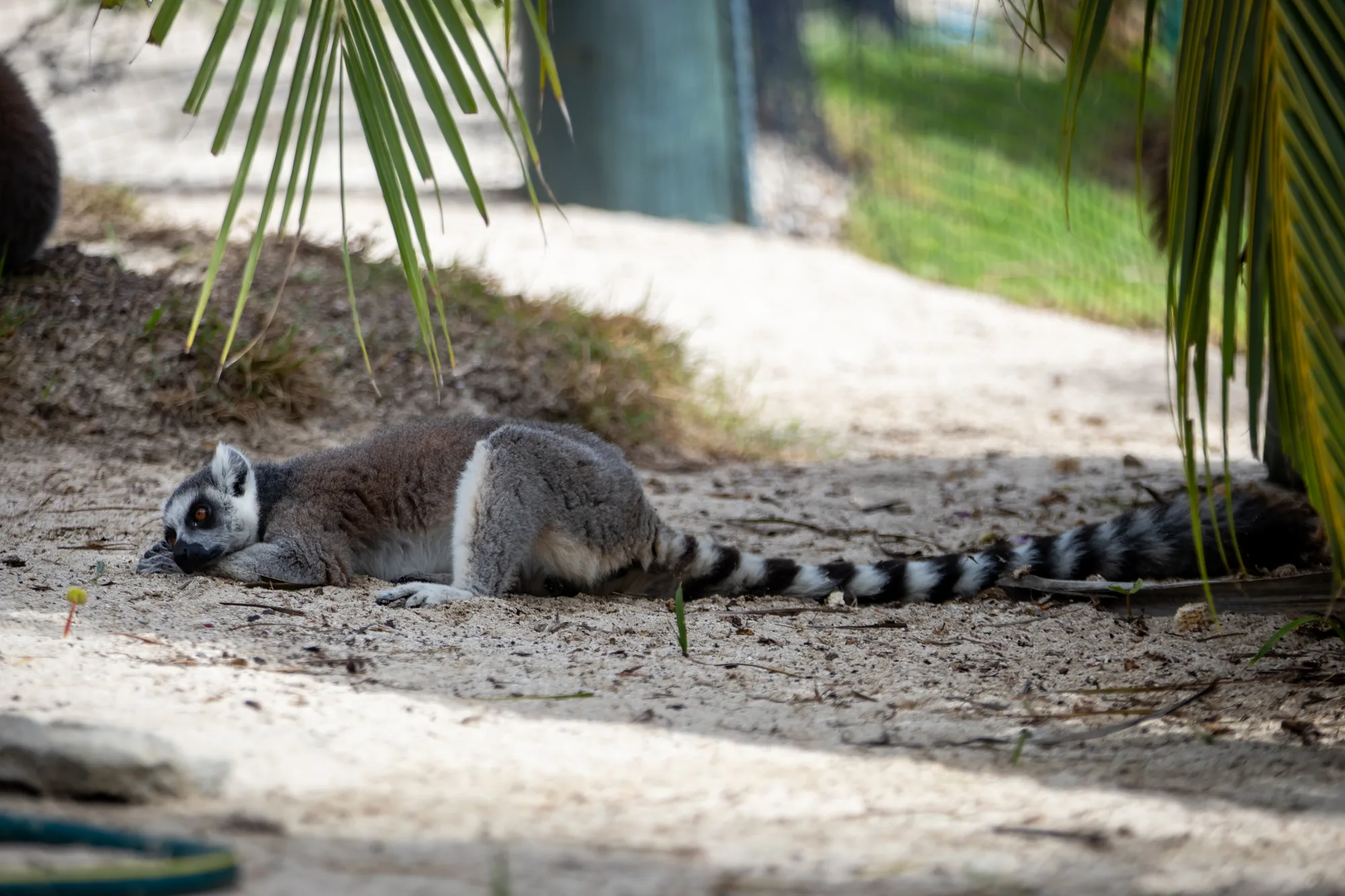
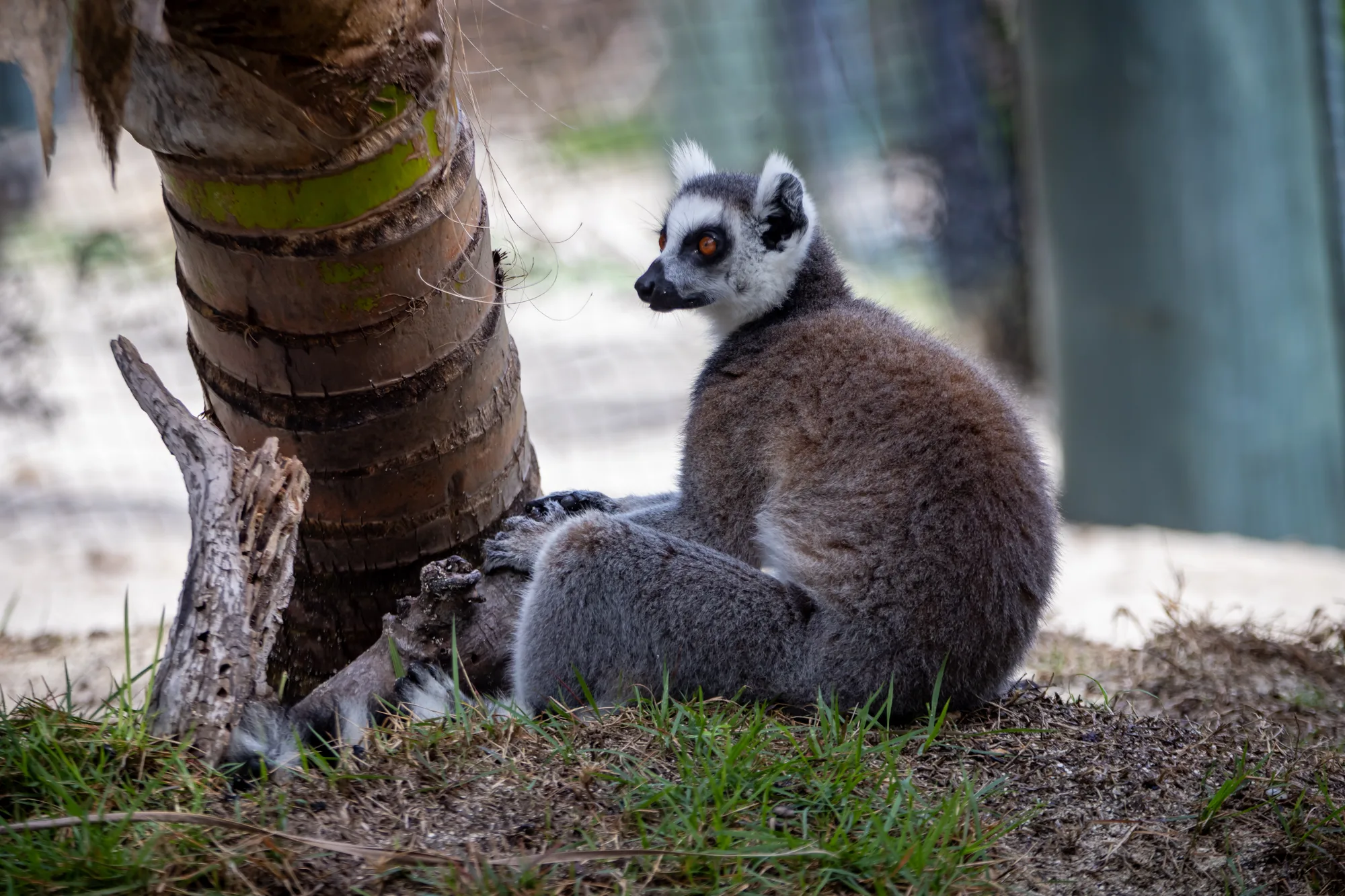
Beginning in 2012, Branson imported ring-tailed and red-fronted brown lemurs from Madagascar to Necker and neighboring Moskito Island. Madagascar's lemurs are, by the IUCN's reckoning, the most endangered large group of mammals on Earth, and the stated logic was a safety net: a free-ranging population in a predator-light refuge, plus the visibility that comes with a famous host. The animals in the gallery below are those introductions, lemurs, a red-necked wallaby, an ornamental pheasant.
Conservationists were not charmed. When the plan surfaced, the reaction from parts of the scientific community ranged from skeptical to alarmed. Necker and Moskito are home to native reptiles found almost nowhere else, the stout iguana, the turnip-tailed gecko, the dwarf gecko. Lemurs are opportunistic omnivores; some will take lizards, bird eggs, and invertebrates as readily as fruit. Critics in the British Virgin Islands argued the environmental assessment had not seriously weighed the risk of loosing an exotic primate onto small islands with fragile, endemic reptile populations, the textbook recipe, elsewhere in the world, for an ecological accident.
This is the part a brochure would leave out, and the part the Conservation Report keeps in. Introducing a non-native species to save it is one of conservation's genuinely hard trade-offs, and serious scientists land on opposite sides of it. More than a decade on, the island has not suffered an obvious collapse, but "no visible disaster yet" is not the same as "vindicated," and the people who raised the alarm have not withdrawn it. The boldness and the recklessness are, frustratingly, the same decision seen from two angles.
Down to the reef
The least ambiguous chapter is underwater. In 2017 Branson helped sink the Kodiak Queen, a WWII ship, one of a handful afloat that survived the 1941 attack on Pearl Harbor, off Virgin Gorda, and dropped an 80-foot steel kraken over it. The wreck and the porous sculpture are an artificial reef seeded with transplanted coral, a dive site, and a marine-education center for BVI students, built with Unite BVI and the science nonprofit Beneath the Waves. A piece of history, turned into living reef.
The bigger lever is Ocean Unite, incubated by Virgin Unite and launched in 2015. In 2016 it helped convene 30 of the world's largest conservation groups behind a single number, protect at least 30% of the ocean by 2030, the target now known as 30x30. Over roughly six years, the initiative and its partners say they helped push well over five million square kilometres of ocean into strong protection before folding into a larger coastal-resilience alliance. Necker is the salon where a good deal of that gets brokered: the island as convening power, not just habitat.
The machine that keeps it running
An ark in the Caribbean needs the two things every island fights for: water and power. Necker makes its own.
A reverse-osmosis desalination plant turns seawater into drinking water, by some accounts capable of tens of thousands of gallons a day, and Branson has worked to run it on clean energy rather than diesel. The power comes from a renewable microgrid: three wind turbines and more than 1,200 solar panels feeding a large battery, capable of around 650 kilowatts. On a good day the island runs on roughly 95% renewable energy. That system was not a vanity build, it proved itself. When Hurricane Irma flattened much of Necker in 2017, the solar array largely survived, and the island, animals and all, had power again within about a day, while much of the region sat dark for weeks.
The point of proving it on a private island is to hand the blueprint to everyone who cannot afford to fail. That is the argument Branson made after Irma, calling for a renewable "Marshall Plan" for the Caribbean: rebuild the region's fragile, diesel-dependent grids as clean, storm-hardened systems, so the next hurricane does not mean months without electricity. Necker is the demonstration model, and the reason the ark had lights and fresh water while its neighbors did not.
Lifting the neighbors
Conservation on a private island only means something if it reaches past the fence line, and this is where Branson's foundation, Virgin Unite, does its least glamorous and most durable work.
Through Unite BVI, its British Virgin Islands arm, the money goes into the machinery of a resilient community. After Irma, that included a micro-loan program to restart small businesses, the restoration of a local educational center, a Chromebook program to keep children learning, mosquito-borne-disease prevention, community clean-ups, and, tellingly, a solar-installer training program run with the H. Lavity Stoutt Community College, so the clean-energy transition is built and maintained by local hands rather than flown in. The Branson Centre of Entrepreneurship Caribbean, launched in 2011, has spent over a decade training and mentoring purpose-driven small-business owners across the islands. The instinct on display, self-sufficiency at home, know-how shared next door, is the thread that ties the flamingo pond to the solar-installer classroom.
The honest ledger
So what is Necker Island, really? First, it is an ark: a place where a very rich man has spent decades bringing back a lost flamingo, breeding an iguana that is gone from the wild, and holding 140-plus species against the tide, while making fresh water from sunlight, going nearly off-diesel after a hurricane, sinking a warship to grow coral, and using a legendary address to nudge a global ocean target toward done.
It is also a place where that same instinct, bold, well-funded, impatient, loosed a primate onto small islands over the objections of scientists who study exactly those ecosystems, and called it conservation. The generosity and the overreach come from the same source, and the honest thing is to hold both in view rather than pick the flattering one.
Wildlife philanthropy on this scale is worth cheering for. It is also worth checking, because the whole point of a moonshot is that it might miss, and the honest ones tell you where.
Point a fortune and an island at the problem of vanishing species and you will not save them by yourself. But you might prove, on 74 acres, that a refuge is buildable, self-powered, storm-hardened, stocked with the animals nobody else has room for, and then make the case for more of them. On the evidence, that is the bet Necker is running. It is not finished, and it is not above criticism. It is, unmistakably, aimed at the right horizon.
The living ark, up close
Sources
Every factual claim above traces to one of these. Primary documents are marked. If we got something wrong, we want to know.
- [01]Necker Island, a tropical paradise and haven for endangered wildlife, The Virgin Islands Daily News, on the flamingo program and the island's 140-plus species.
- [02]How Necker Island went from Richard Branson's weekend escape to one of the Caribbean's most serious climate experiments, Ethos, on the island's desalination, renewable energy, and conservation build-out.
- [03]Solar and batteries can be a lifeline for vulnerable islands hooked on diesel, Canary Media, on Necker's post-Irma renewable microgrid.
- [04]Five years on from Hurricane Irma, Virgin Unite, on the Unite BVI recovery programs (micro-loans, education, the HLSCC solar-installer program, clean-ups).
- [05]Richard Branson wants a 'Marshall Plan' for the post-Irma Caribbean, NBC News, on the regional renewable-recovery push and aid mobilization.
- [06]Rebuilding the Caribbean for a resilient and renewable future, RMI, on Caribbean island microgrids and resilience.
- [07]Richard Branson's lemur plan raises alarm, BBC News, on the scientific objections to the lemur introduction.
- [08]Necker adds more lemurs, The BVI Beacon, on the introductions and local concern for native reptiles.
- [09]Richard Branson opens B.V.I Art Reef scuba dive site, Bloomberg, on the Kodiak Queen / kraken artificial reef.
- [10]Time for a 30x30 ocean vision, Virgin Unite / Richard Branson, on Ocean Unite and the 30x30 target (the initiative's own account).
Keep reading
Twenty-Three Calves: The Best Right Whale Season in Seventeen Years, and Why That Isn't Recovery
The 2026 calving season produced more North Atlantic right whale calves than any year since 2009. With roughly 384 animals left, the arithmetic of what twenty-three births actually buys is worth doing carefully.
April 30, 2026 · 3 minThe Green Sea Turtle Went From Endangered to Least Concern. It Skipped Two Categories On the Way.
After fifty years of protection, the global green turtle population is up 28% and off the threatened list entirely, the first endangered marine turtle ever to make that jump. The label is global. The turtles are not.
October 29, 2025 · 5 minBetween Seven and Ten Vaquitas Were Seen in 2025. That Is Not the Same as How Many Exist.
The world's most endangered marine mammal was observed, with calves, and did not crash. Every one of those statements is carefully bounded, and the difference between 'observed' and 'estimated' is the whole discipline of counting an animal this rare.
October 28, 2025 · 5 min